The cooling system of a vehicle is often overlooked, yet it plays an essential role in ensuring that your car operates smoothly. Most drivers are aware of the importance of engine oil or fuel, but many may not fully appreciate how critical the cooling system is to overall vehicle functionality. A well-maintained cooling system prevents overheating, ensures optimal engine performance, and contributes to the longevity of your vehicle.
The Basic Components of a Cooling System
Car AC blowing warm air Whitehouse TXAt get more info its core, the cooling system consists of several key components that work together to regulate engine temperature. Understanding these parts can help you recognize potential issues before they escalate.
Radiator: The radiator is responsible for dissipating heat from the coolant as it circulates through the engine. A clogged or damaged radiator can lead to overheating and decreased engine performance.
Water Pump: This component circulates coolant through the engine and radiator. A failing water pump can result in inadequate coolant flow, leading to overheating.
Thermostat: The thermostat regulates coolant flow based on engine temperature. If it fails to open or close properly, it can cause either overheating or inefficient engine operation.
Coolant: Often referred to as antifreeze, this fluid absorbs heat from the engine and releases it through the radiator. Regularly checking and replacing coolant is vital for maintaining an effective cooling system.
Cooling Fans: These fans assist in drawing air through the radiator when needed, especially during heavy traffic or low-speed conditions where airflow might be insufficient.
These components must function harmoniously for your vehicle to maintain an optimal operating temperature.
How Overheating Occurs
Overheating typically occurs when there’s a breakdown in one or more components of the cooling system. Common causes include:
- A malfunctioning thermostat that doesn’t open, preventing coolant from circulating. A failed water pump that ceases to circulate coolant effectively. A leak in hoses or gaskets that allows coolant to escape. Low coolant levels due to leaks or improper maintenance.
When any of these failures occur, heat builds up rapidly in the engine compartment, leading not only to potential damage but also posing safety risks while driving.
Signs Your Cooling System Needs Attention
Recognizing early signs of cooling system problems can save you from costly repairs down the road. Some indicators include:
- Temperature Gauge Readings: Keep an eye on your vehicle's temperature gauge; if it consistently runs higher than normal, that's a warning sign. Steam from Under the Hood: If you see steam escaping from under your hood while driving, pull over immediately as this indicates severe overheating. Coolant Puddles: Finding bright green (or sometimes orange) puddles under your vehicle could mean a leak somewhere in your cooling system. Strange Noises: Unusual sounds like whining or grinding coming from the water pump area may indicate it's struggling or about to fail.
Regular maintenance checks—including services like an AC performance check—can help catch these issues early on before they develop into larger problems requiring extensive repairs.
Maintenance Tips for Your Cooling System
To ensure optimal performance from your vehicle's cooling system, consider implementing regular maintenance practices:
Routine Coolant Flushes: Over time, contaminants can build up in coolant which reduces its effectiveness at regulating temperature. Flushing out old coolant and replacing it with fresh fluid should be part of your routine service schedule.
Check Hoses and Belts for Wear: Visual inspections can reveal cracks or bulges in hoses and belts associated with your cooling system—replacing them promptly prevents leaks and breakdowns.
Inspect Radiator Condition: Look for signs of corrosion or blockages within your radiator; both can impede its ability to cool efficiently.
Monitor Fluid Levels Regularly: Check both oil and coolant levels frequently—keeping them topped off will help maintain proper engine function.
Schedule Professional Inspections: Regular visits to qualified mechanics for services such as automotive heating and cooling repair ensure all components are functioning optimally.
Implementing these practices helps avoid common issues associated with car overheating while prolonging vehicle life expectancy.
When Professional Help is Necessary
While some maintenance tasks are manageable by most car owners, certain situations demand professional expertise—especially when dealing with complex systems like HVAC (Heating, Ventilation, Air Conditioning). Here are scenarios where you should consult professionals:
- If you're experiencing persistent overheating despite having replaced fluids. When unusual noises emanate from underhood components related to cooling systems. If you notice poor air conditioning performance alongside fluctuating temperature gauges; this may imply intertwined issues within both systems needing expert evaluation.
Local repair shops specializing in auto AC repair Whitehouse TX can provide comprehensive diagnostics regarding both heating and cooling functionalities within vehicles—a necessity for ensuring comfort during extreme weather conditions.
The Importance of Climate Control Systems
Understanding how climate control systems operate alongside traditional cooling mechanisms enhances awareness regarding overall vehicle functionality—especially given their interdependence during seasonal transitions between hot summers and frigid winters alike!
Climate control systems manage interior temperatures effectively by regulating airflow throughout cabin spaces via various vents strategically positioned around passenger areas—an added layer protecting occupants against harsh external temperatures while improving comfort levels significantly!
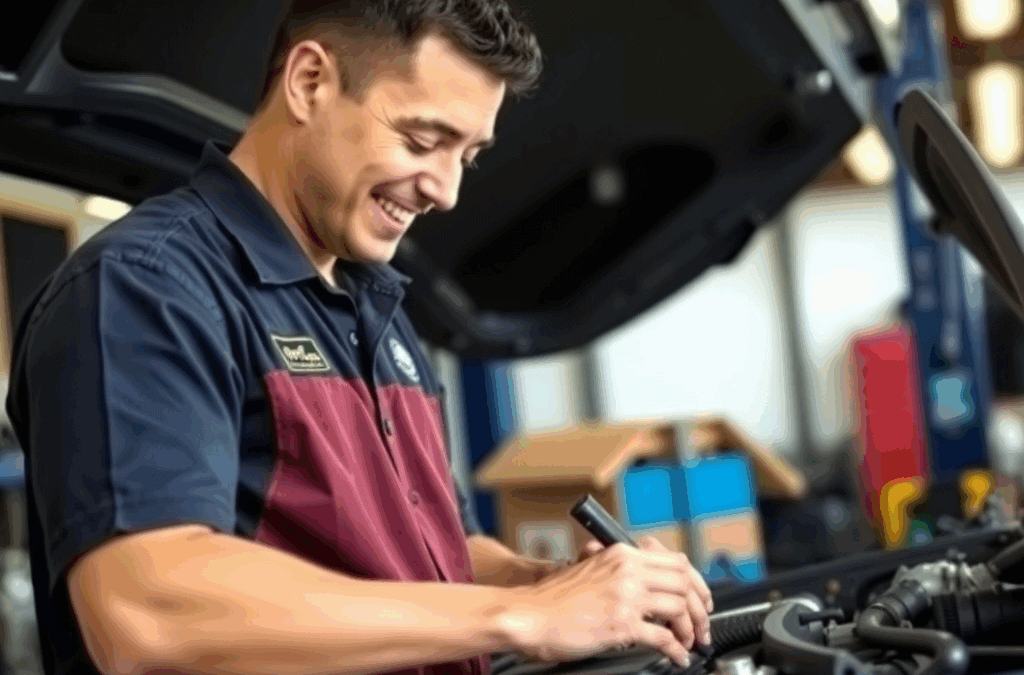
When seeking assistance with climate control repairs—such as heater core replacement Whitehouse TX—always prioritize ASE certified technicians who possess thorough knowledge about integrated automotive HVAC systems spanning across multiple makes/models available today!
Conclusion
The role of a properly functioning cooling system cannot be overstated—it is foundational for all aspects relating directly influencing driving experiences including safety! By understanding how these systems work together harmoniously—and recognizing early signs indicating potential failures—you empower yourself as an informed driver capable making educated decisions regarding necessary maintenance strategies required keeping vehicles running smoothly over time!